Case Studies

Investment

Establishing and Leading a Production Operation for a Swiss Industrial Company

Context

In late 2021, the owners of a Swiss heat-exchanger manufacturer approached me with the idea of establishing their own production facility in Bosnia and Herzegovina. They required a dependable partner on the ground — someone familiar with Swiss industrial standards as well as the local business environment — to design and guide the entire investment.

The company serves demanding international clients, particularly in the spray-drying segment of the food and process industry, with projects spanning Europe, North America, Asia-Pacific, and Oceania.

Approach

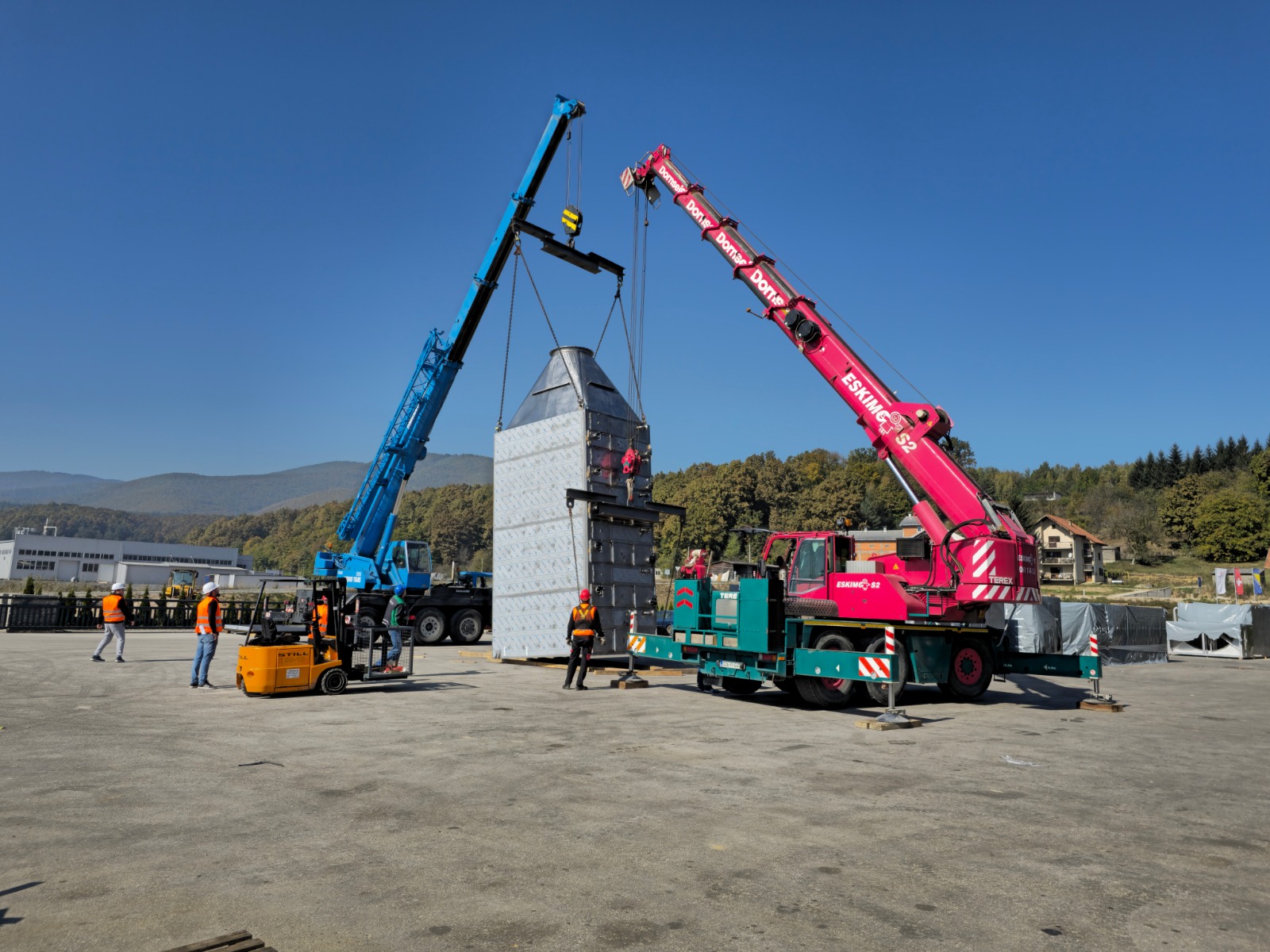
Together with my local and Swiss partner network, I developed the complete blueprint for the new operation: site evaluation, production concept, supplier ecosystem, global logistics planning, and the identification of certification and compliance partners.

After the project had been prepared for launch, the Swiss ownership invited me to join the company as a shareholder and to lead the establishment phase, recognising the need for trusted, locally present leadership.

I founded and built the operation, structured the organisation, introduced quality and certification systems, and guided the production ramp-up.

Result

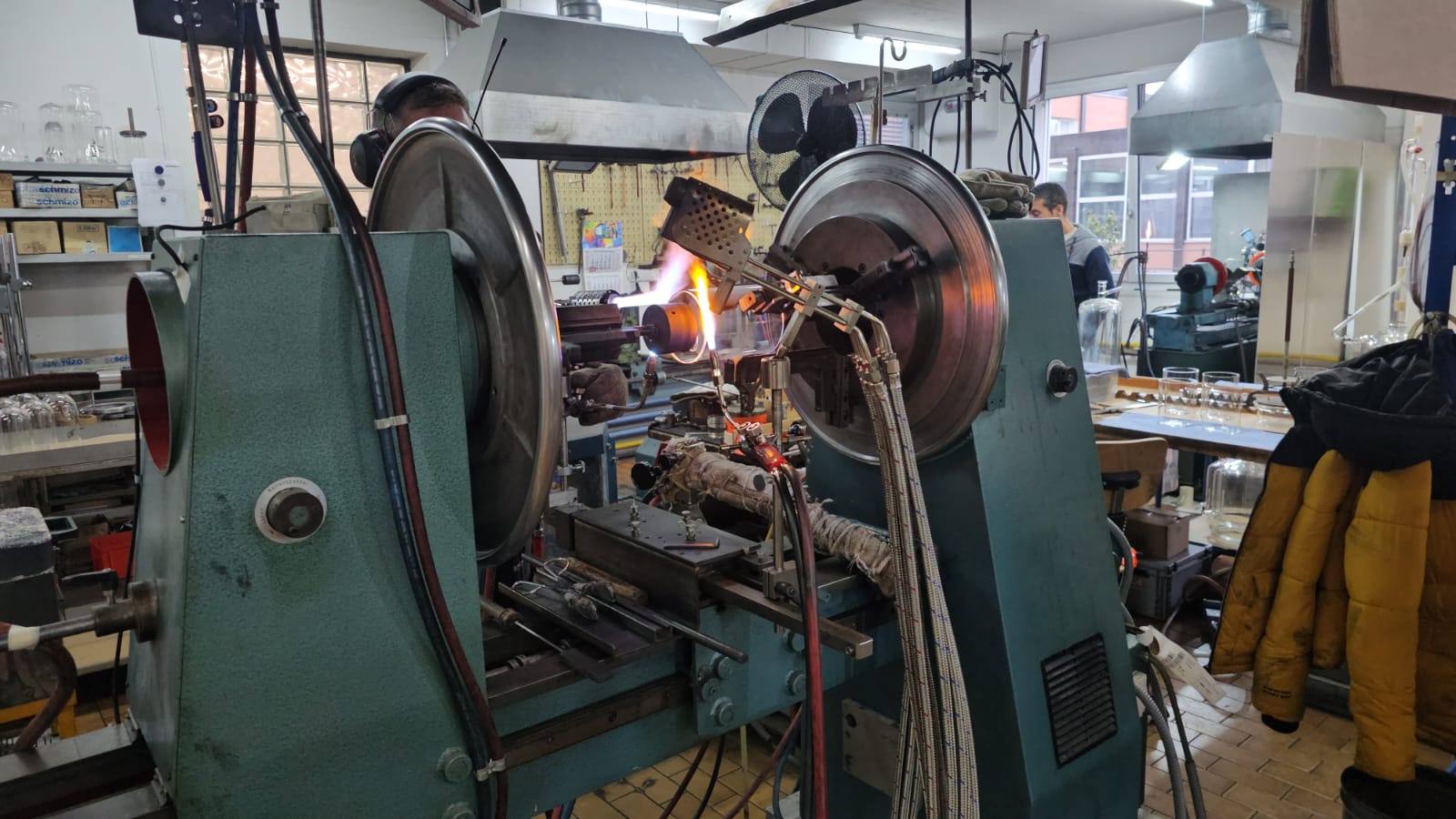
The company reached stable operations by mid-2025 and today employs more than 20 staff. It supplies heat-exchange components for spray-drying systems to major international customers across Europe, the United States, Australia, New Zealand, and Southeast Asia.

Once fully established, operational leadership was handed over to a new managing director after 2.5 years.

Value for Swiss Clients

This case demonstrates how cross-border industrial investments can be realised efficiently and reliably when supported by Swiss-led management with long-standing local experience.
Management

Interim Leadership and Operational Turnaround in a Swiss-Owned Manufacturing Company

Context

A Swiss holding company operating a production site in Central Bosnia had faced recurring challenges over several years: organisational instability, quality issues, high procurement costs, and financial performance that had reached a critical level.

The ownership needed an experienced manager on the ground to assess the situation objectively and stabilise the operation.

Approach

At the request of the Swiss ownership, I conducted a comprehensive due-diligence review together with my financial advisor, examining the company's structures, cost drivers, leadership setup, and operational workflows.

Based on these findings, I initiated a reorganisation, implemented a management change, restructured processes, and introduced a Quality Management System aligned with ISO 9001.

We also rebuilt the financial controlling and reporting framework, establishing clear cost structures and a transparent financial overview that enabled reliable decision-making for the Swiss ownership.

In addition to the consulting mandate, I took on an interim management role to oversee the stabilisation phase, prepare planned investments, support the expansion of production capacity, and coach the leadership team while strengthening the company's culture.

Result

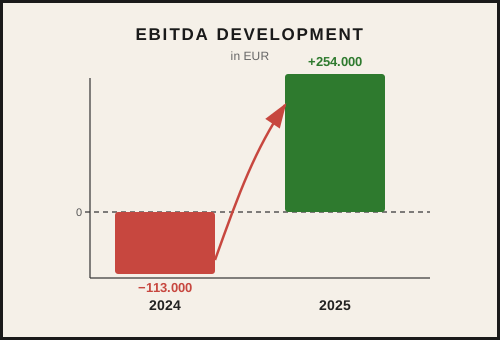
Within one year, the company achieved a full turnaround, returning to profitability and regaining operational stability.

Quality performance improved significantly, procurement costs were brought under control, financial transparency increased, and the organisation was able to operate with clear structures and reliable processes.

Value for Swiss Clients

This case shows how Swiss-owned operations in Bosnia and Herzegovina can be stabilised and aligned with the expectations of Swiss management when supported by on-the-ground leadership, structured due diligence, and disciplined operational and financial improvement.

EBITDA Development 2024–2025
AI Automation

AI-Powered Process Automation for Cross-Border Production Control

Context

A Swiss company operating a production site in Bosnia and Herzegovina relied on manual routines to monitor daily operations.

The responsible manager spent several hours per week checking data, validating status updates, and comparing schedules.

The approach functioned, but it was time-consuming and left limited capacity for strategic work, while increasing the likelihood of errors typical of repetitive manual oversight.

Approach

Together with the client, we analysed the existing workflow and documented each step of the production-control routine.

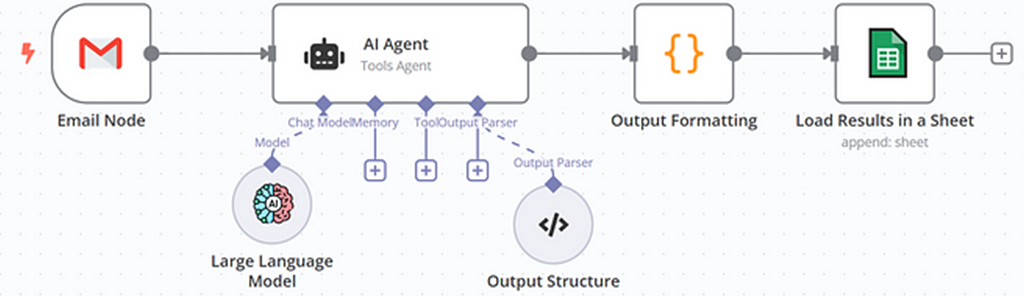
Based on this mapping, we developed an AI-supported automation solution that gathers and verifies key production data, monitors schedule adherence, and highlights relevant deviations automatically.

The system is integrated into a central cockpit that can be expanded with additional agents and automation modules as the company extends its automation scope.

The implementation is currently in its final phase, with further steps planned to increase transparency and reduce manual coordination effort between Switzerland and Bosnia and Herzegovina.

Result

The automation is currently in advanced implementation.

Early indicators show a clear reduction in weekly manual workload and a more consistent flow of production data.

As part of the final integration, the system is being connected to the client's ERP environment to ensure reliable data synchronisation and end-to-end visibility.

Based on time savings measured to date, the investment is expected to pay for itself within a year once the full automation setup is complete.

Value for Swiss Clients

This case shows how AI-driven process automation can streamline cross-border oversight, reduce repetitive administrative work, and deliver structured, reliable information for management.

AI Automation Workflow
Outsourcing

Technical Outsourcing and Managed Production for Swiss Companies

Context

Several Swiss manufacturing companies aimed to outsource parts of their product development and production to a reliable external partner.

In one case, inconsistent quality and unreliable delivery schedules from previous Eastern European suppliers created the need for a more stable and technically competent outsourcing setup. In other cases, we collaborated with customers on new product developments and extended offerings — from concept and engineering to transition into series production — supported by clear processes and close technical coordination.

Approach

Together with selected production partners in Bosnia and Herzegovina, we established a structured outsourcing model covering both engineering and manufacturing.

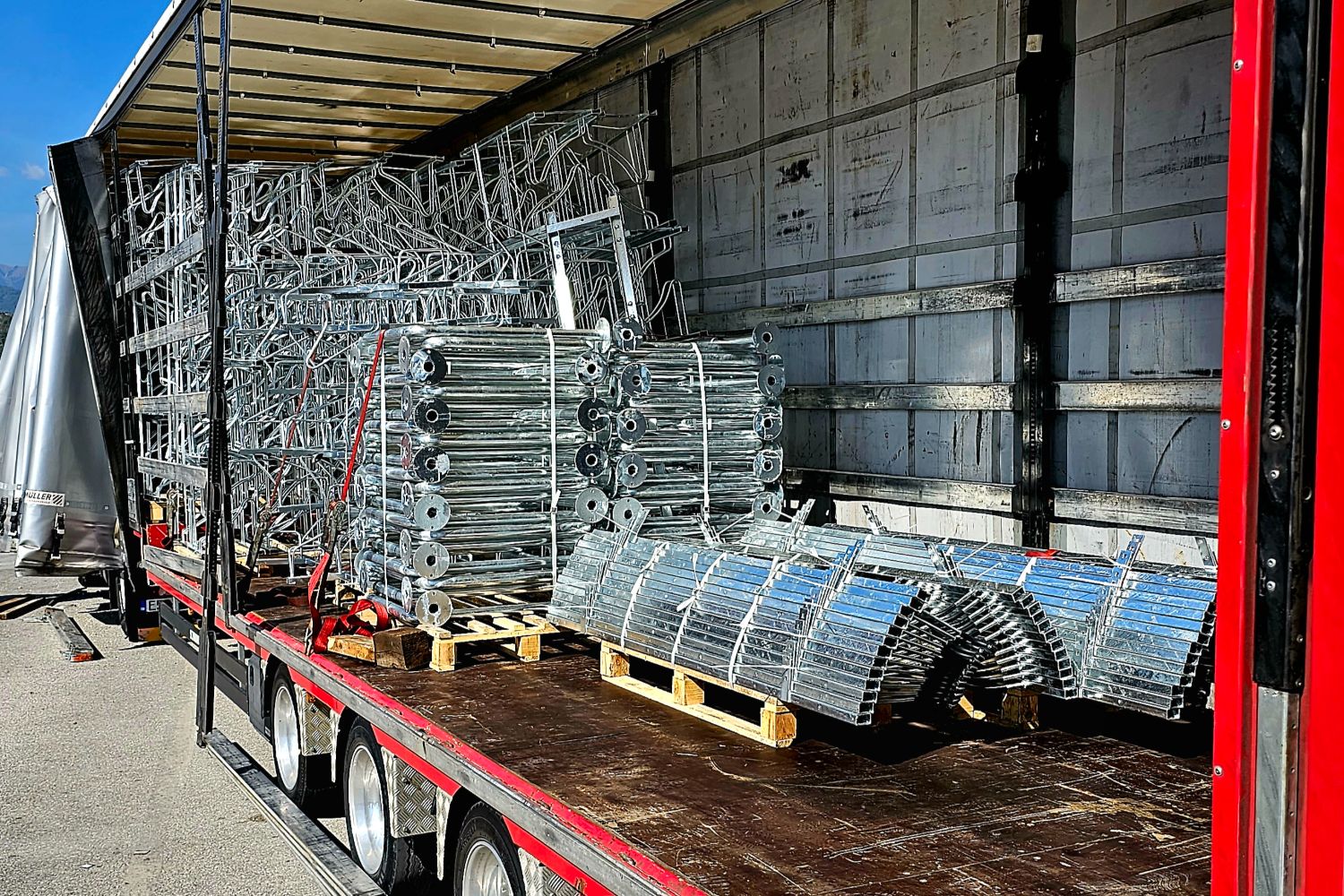
We created 3D models and technical drawings, optimised designs for manufacturability, and managed the full production workflow: material sourcing, fabrication, surface treatment, assembly, quality checks, and export preparation.

Commercial processes and invoicing were handled through Switzerland to ensure transparency, straightforward administration, and a single point of contact for all technical and organisational matters.

We also executed similar outsourcing projects for various Swiss companies in metal and timber construction — including balcony railings, fall-protection systems, livestock equipment, canopies, and custom architectural structures.

Result

The companies gained a reliable and well-coordinated outsourcing setup with improved delivery reliability, consistent documentation, and clear technical communication.

Engineering, production, and logistics were integrated into an efficient, streamlined process that allowed clients to focus more on their core business while benefiting from competitive regional manufacturing.

Value for Swiss Companies

This case demonstrates how technical and manufacturing outsourcing to Bosnia and Herzegovina can be implemented in a stable, efficient, and quality-focused way — especially when supported by Swiss-led coordination and competent on-site execution.

QM

Implementation of an ISO 9001:2015 Quality Management System

Context

A Swiss company is in the process of building a quality management system according to ISO 9001:2015. We are leading this project and are directly involved in the implementation — from designing the system structure to developing concrete processes and documents. The objective is a lean, practical system that supports daily work rather than adding unnecessary administrative effort.

Approach

We work on site and develop the QMS together with the employees. Our approach is based on understanding existing workflows, routines, and the organisation's culture in detail. The system is not imposed from the outside; it is shaped from within the company itself. Processes are defined collaboratively, documentation is written in a way that fits everyday practice, and the teams are gradually integrated into each step. Modern, simple tools support the work without complicating established routines.

Current Progress

The foundations of the system are in place and are being further developed. Processes are being refined, responsibilities clarified, and the first elements already applied in day-to-day operations. Through close collaboration, the system evolves organically and steadily aligns more closely with real practice.

Value for the Client

Even during implementation, the company benefits from greater clarity, stability, and reliability in its daily operations. Because the system is built from within the organisation, it is understood, accepted, and sustainable. The combination of hands-on leadership, sensitivity to people and culture, and a flexible working style creates structures that are functional — and that can continue to grow with the organisation.

Lorenz Schaffner

Speak with Lorenz

Whether you have a specific question, want to explore a partnership, or are looking for an initial conversation about your project — we welcome any enquiry.

No sales pitch, no generic answers. Just a direct, honest conversation about what's possible in your situation.

Get in Touch →